
Shopping Cart

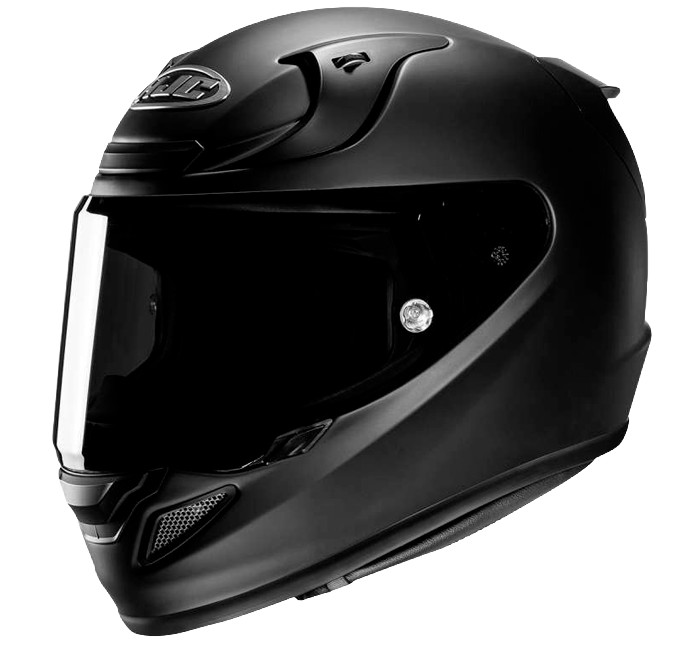 Full Face
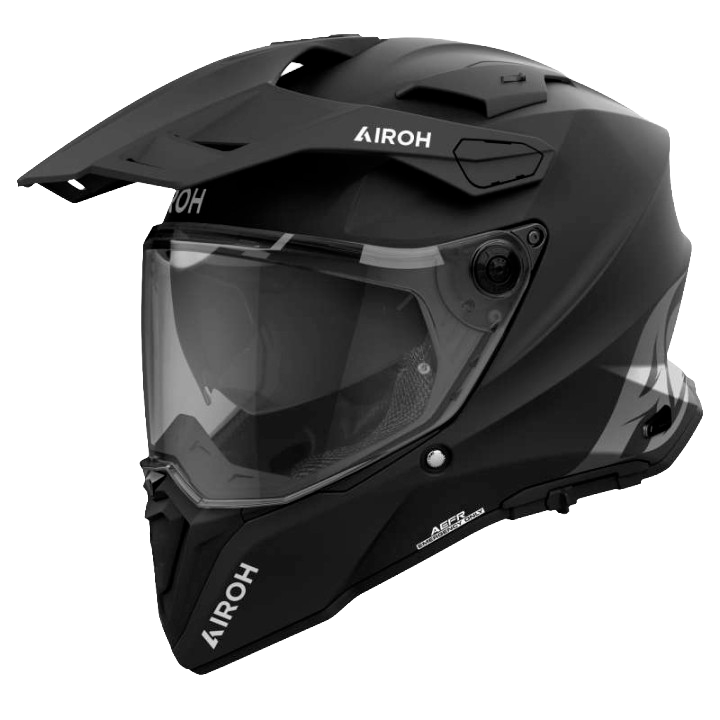 Adventure
 Open Face
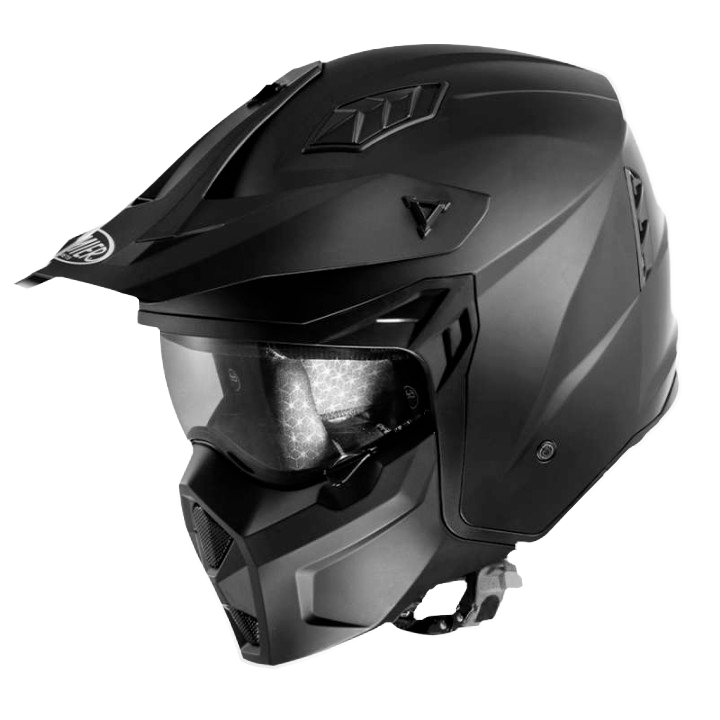 Modular
 Dirt Bike / Motocross
 Retro & Heritage
 Kids
Kids
 Accessories


 Jackets
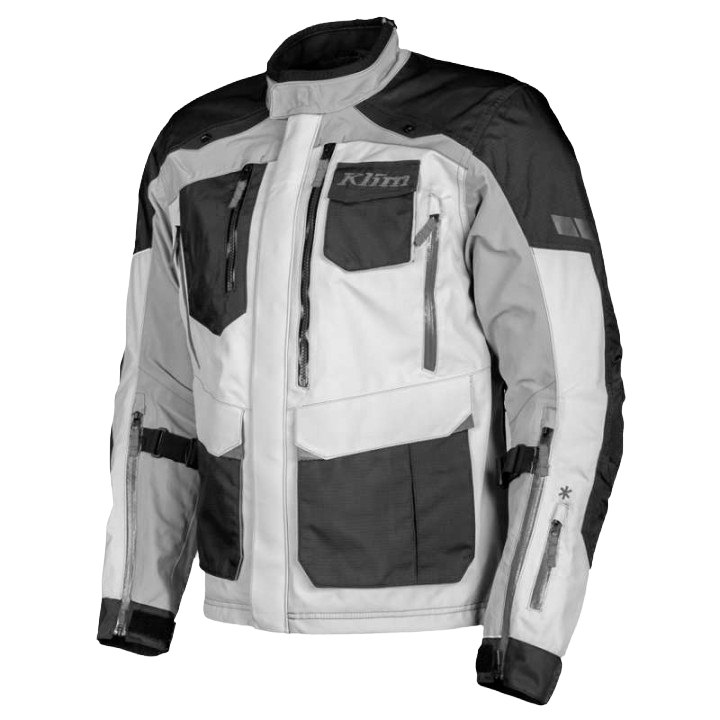 Touring & Adventure Jackets
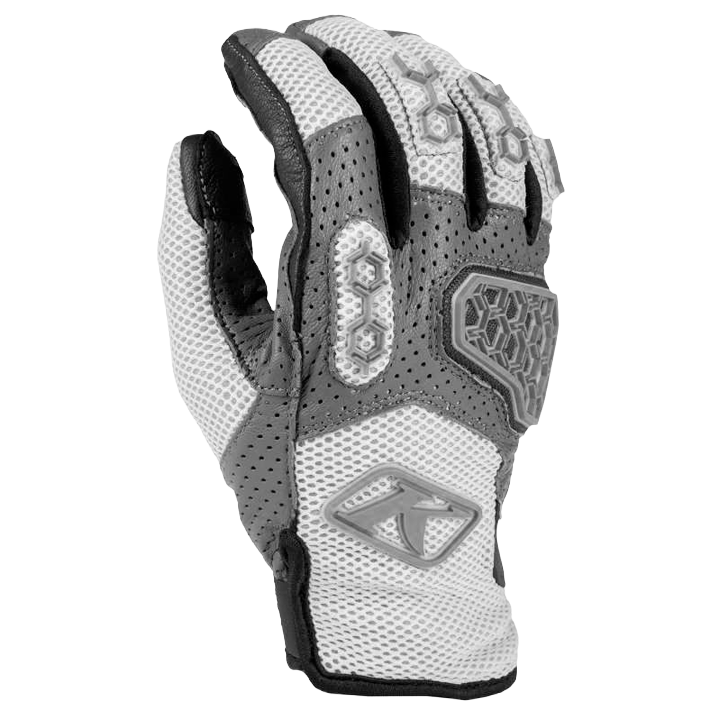 Gloves
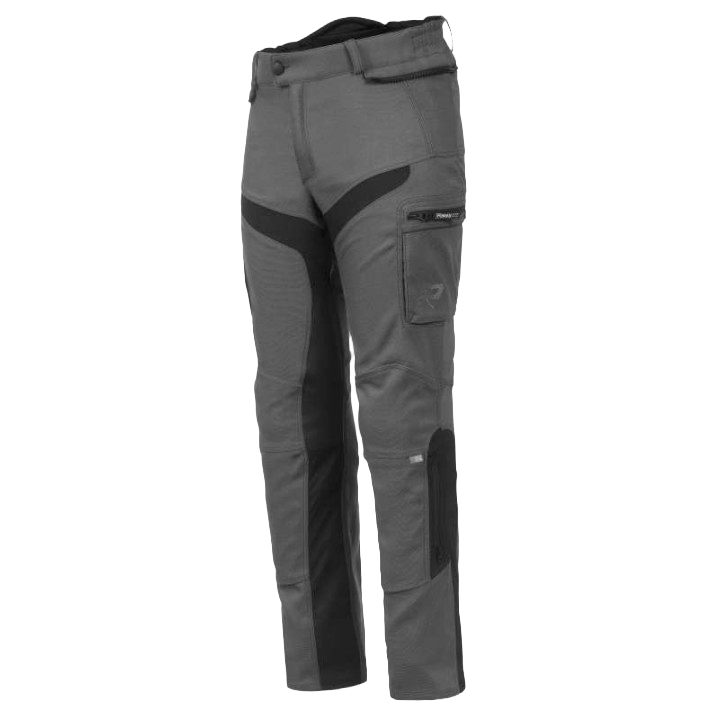 Pants
Pants
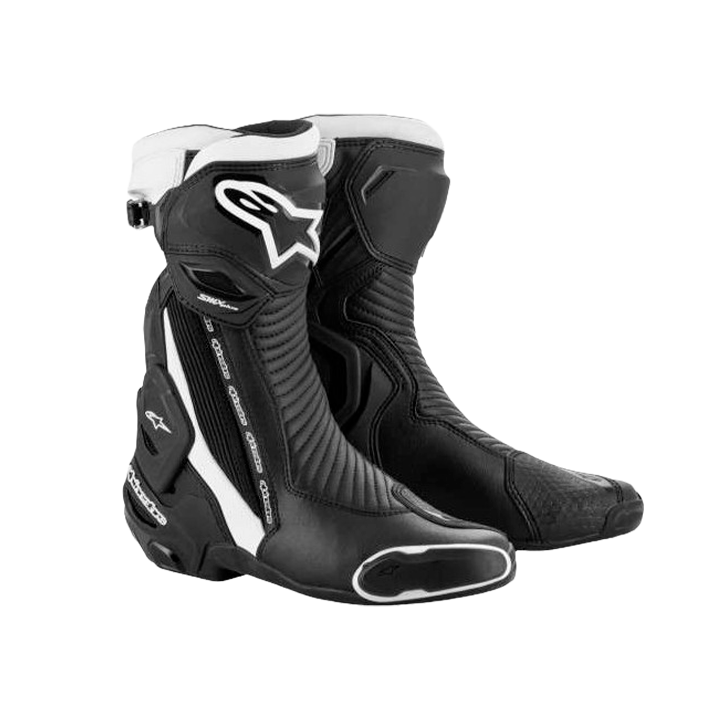 Boots & Shoes
 Suits
Suits
 Airbags & Protective Gear
 Rain Gear
 Heated Gear & Headwear
 Dirt Bike / Motocross
 Women's
 Kids
Kids
 Retro
Retro
 Casual Clothing
 Toys & Gifts


 Top Cases
 Luggage Kits
 Skids Plates
 Hard Luggage
 Soft Bags
 Tank Cover
 Bike Protection
 Hand Guards
 Crash Bars
 Passenger Handles
 Other Protectors
 Accessories

 Security
 Seats & Sissy Bars
 Body & Fairing
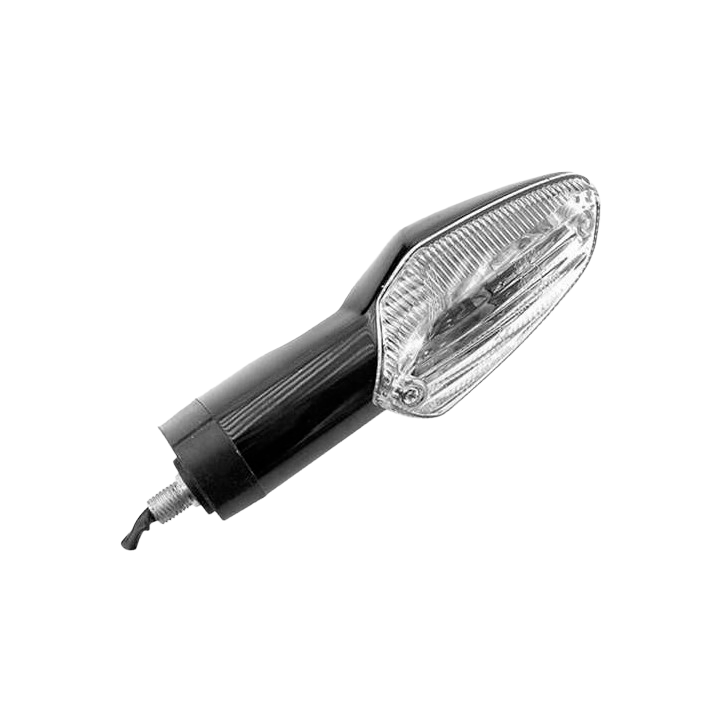 Turn Signals
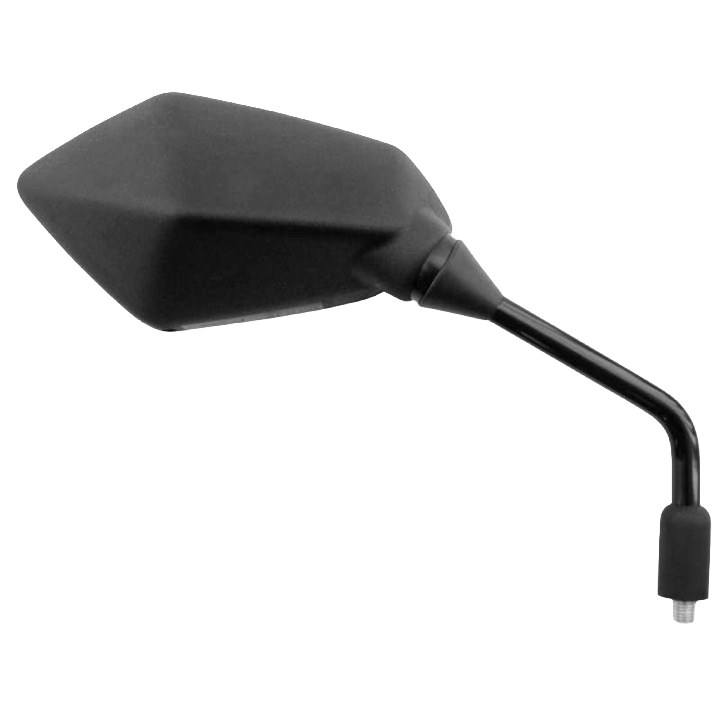 Mirrors
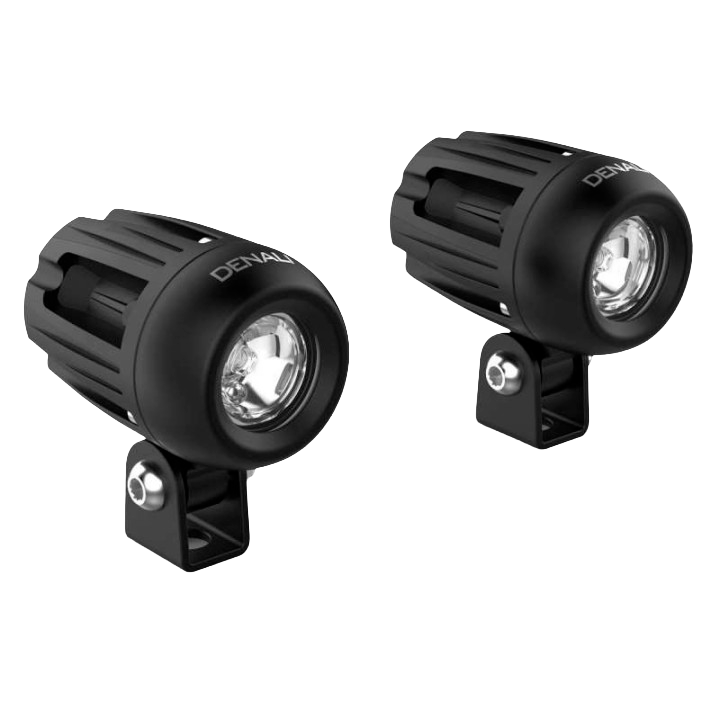 Lighting
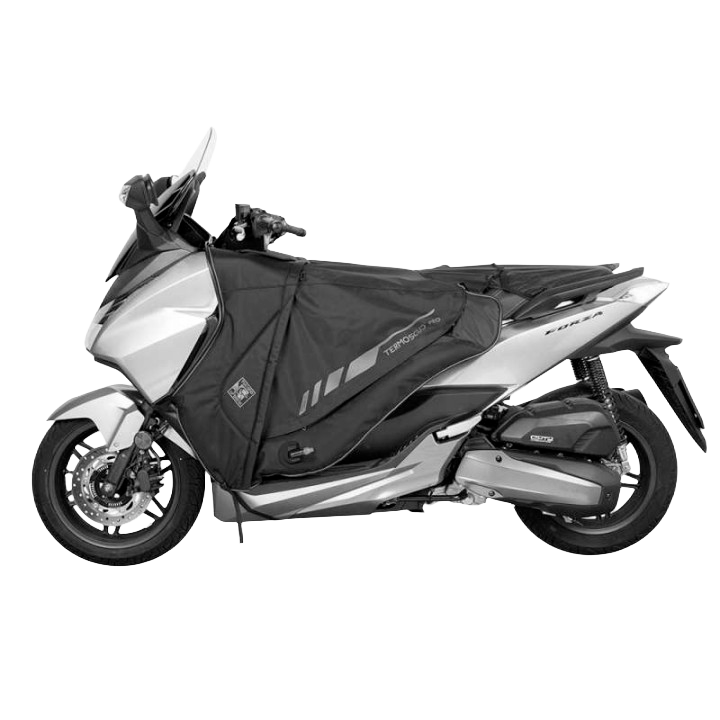 Cold & Rain
 Tools & Maintenance
 GPS
GPS
 Bluetooth Communications & Intercom
 Phone & GPS Accessories
 Phone & GPS Mounts
 Action Cameras
 Phone & GPS Cases
 USB Chargers & Power Outlets
 Electric Roadbooks
 Camping
 Suspension
 Batteries
 Electrical
 Spark Plugs
 Carburetors
 Exhaust
 Clutch
 Air Filters & Oil Filters
 Brakes
 Handlebars & Control
 Engine
 Drive & Transmission
 Tubes
Tubes
 Rims
Rims
 Rim Strips
 Wheel Bearings
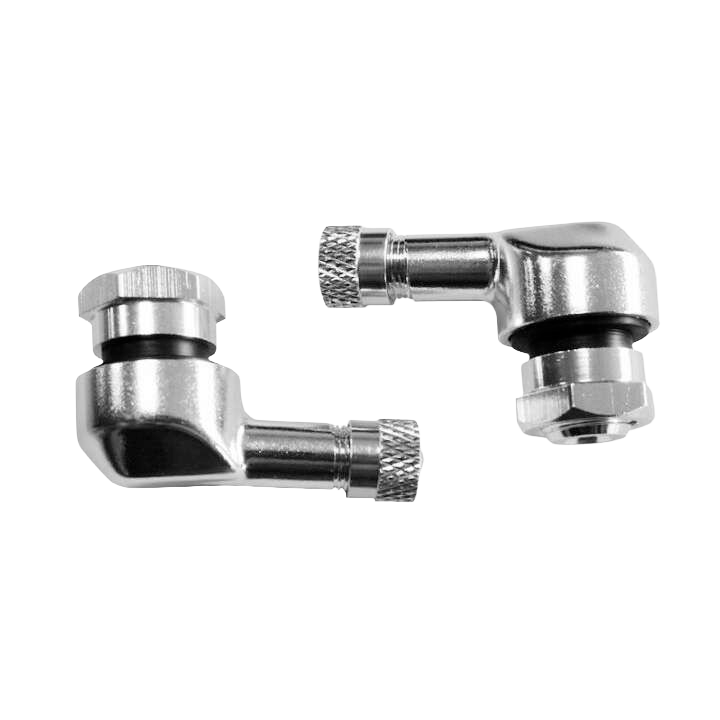 Valve Stems & Caps
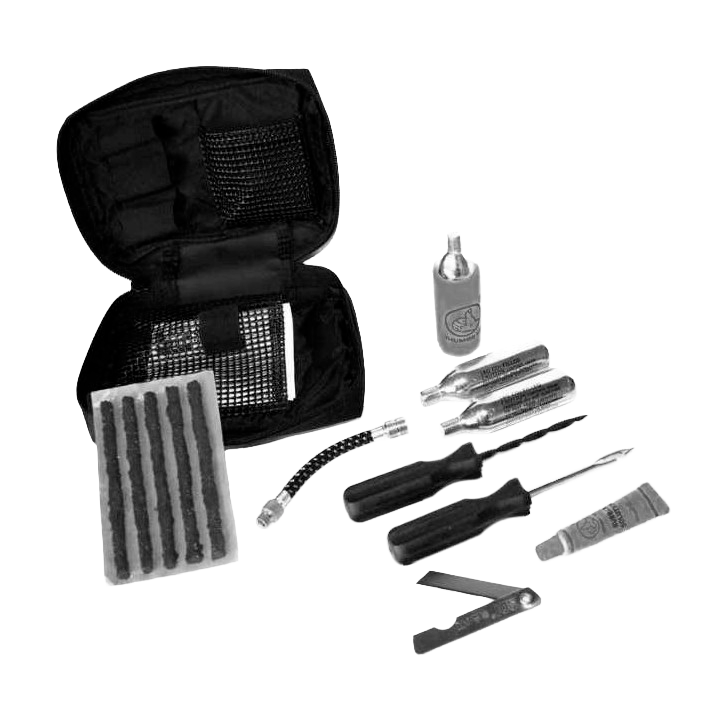 Tire Repair
 Accessories
 Tires
Tires

As time goes by, it's becoming increasingly complicated to start a motorcycle with a flat battery. It's true, kick starts aren't really fashionable any more, and the certain stoutness of recent trail bikes turns a push-start into a real athletics test. What's our point? Well, you need to be able to trust your battery 100%. To our delight, technology is progressing. Lithium-ion batteries have arrived on the scene, and they're taking the game by storm! The advantage of these models? The downside? Why get rid of your lead relic? Here are our answers:
What are the different types of battery?
Well, we don't think it's necessary to explain the purpose of a battery on your motorcycle. But you might be wondering what it's made of. So, what is a battery? Very simply, it's made up of a positive and a negative electrode, separated by a fluid (the electrolyte) that allows electrons to travel from one to the other. Nothing too complicated. Except, as we shall see, these three components - anode, cathode and exchange fluid - can vary. Here's a brief overview of the technologies that make up our motorcycle batteries:

Lead-acid batteries
When we talk about a "conventional" battery, we're actually talking about the good old lead-acid model. When you buy one, you have to fill it with acid and, of course, charge it before using it for the first time. The problem is that it weighs two dead asses. Blame it on its main constituent: lead. And above all, handling sulfuric acid is a delicate, even dangerous operation. And if one of the filler caps isn't perfectly tight, the risk is of spilling acid everywhere you ride (and on your bike, incidentally).
What's more, with the terrorist attacks and for national security reasons, we can no longer sell "lead-acid" batteries on the Internet. They have to be factory-activated. You no longer have access to acid. Theoretically, it's the same thing in a store or motorcycle workshop: the professional must have done the work for you. You won't find battery acid in general stores any more.
Sealed Lead Acid batteries
The solution to leaking lead-acid batteries? SLA models. The components are exactly the same, except that these batteries are completely sealed. They are filled with acid at the factory and kept charged until you buy them. All you have to do is install it and go. Since they're absolutely sealed, there's no risk of leakage, and therefore no need for maintenance (such as adjusting the electrolyte level). As for weight, there's been no change.
Absorbed Glass Mat" batteries
AGM batteries are an evolution of the SLA models. The base remains the same - lead electrodes and a sulfuric acid bath - except that fiberglass blotters are added. Soaked in the liquid mixture, they hold it in place. The advantage of this technology? No risk of leakage, even if the battery is completely upside down. Handy when you're prone to acrobatic off-roading.
And what about the gel battery?
Quite simply, the acid mixture is much more viscous. This gel - slightly different from the one that coats the eggs on the table - offers multiple advantages: better resistance to vibration and tilting, and no risk of leakage. This technology also comes fully charged and maintenance-free.
The new kid on the block: lithium-ion batteries
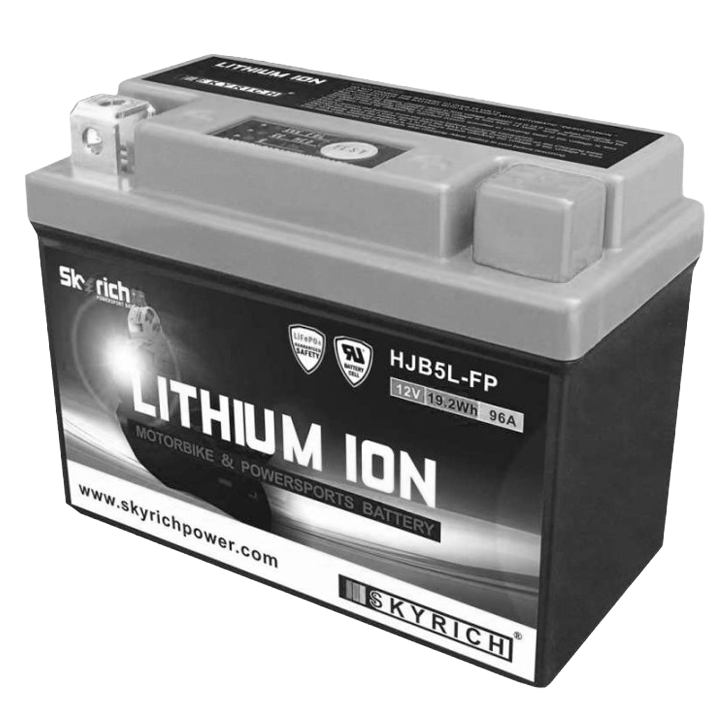
Traditional batteries, as well as SLA, AGM and gel versions, are all derivatives of the original lead-acid battery. Then came Lithium-Ion models. Gone were the lead plates (just right for the Breton puck). They were replaced by much lighter metals such as graphite or cobalt. And that faithful sulfuric acid? It's been consigned to the cupboard - out of the reach of children, of course - and replaced by lithium salts, the famous ions. What are the advantages of this technology? And the drawbacks? We'll get right to the heart of the matter.
.jpg)
What are the advantages of a lithium battery?
This technology has become the standard for phone batteries. The reason is simple: they're light. It's hard to imagine carrying a 2 kg bigot in your pocket, isn't it? On paper, a Lithium-Ion motorcycle battery is 30-50% lighter than its lead equivalent. Ideal, therefore, for track racers allergic to superfluous grams, but also for long-term travellers who are on the hunt for kilos to limit the stress on their bike.
For the same performance, a Lithium-Ion battery is also more compact than a traditional model. So, you may say, saving space in the battery compartment isn't necessarily interesting. But isn't it? It may allow you to opt for a more powerful model with the same footprint. By the way, if your new battery doesn't fit perfectly in its compartment, some manufacturers supply little rubber pads to reduce play.
And wait, there's more! When it comes to pure performance, too, the Lithium-Ion battery excels. Its starting capacities are enhanced and it is more resistant to charge/discharge cycles. This means you can put more strain on it. Perfect if, for example, you're a trail rider with a nasty tendency to stall every 5 minutes. Another advantage of this revolutionary battery is its low self-discharge. So you can leave your bike idle for weeks on end, and it'll restart as soon as it's needed.
5th point in favor of Lithium over Lead: better resistance to deep discharge. Yep, when a conventional battery drops below 10V, it's considered dead. Whereas some Lithium-Ion battery models can dip below 5V and then regain full performance after a charge. The icing on the cake? Lithium batteries last (at least) 4 times longer than their leaded counterparts.
.jpg)
What are the shortcomings of a Lithium-Ion motorcycle battery?
Let's face it, so far the picture is more than stellar. But what is this technology's flaw? Its Achilles heel? Its poor resistance to extreme conditions, especially extreme cold. Mind you, we're talking about temperatures below -10°C. What proportion of motorcyclists continue to ride when the mercury dips below 0°C? However, prevention is better than cure, because if, like Michel, you're an avid winter biker, you're in for some nasty surprises. Nothing too serious, but cold starts can take a little longer than expected. In this case, a good trick is to "stimulate" the battery, simply by switching on the lights, so that it warms up slightly and recovers its performance. And in hot weather? No problem at all. The lithium-ion battery reacts very well to Saharan climates as long as it doesn't exceed 100 degrees. But then, you'll probably be on the floor before then.
2nd black mark: the higher purchase price. Yes, this piece of technology comes at a price. But does it? There's a calculation to be made, because the budget is certainly higher, but so is the lifespan.
Specific battery chargers and boosters for Lithium-Ion
Here's another parameter that comes into the equation: a Lithium-Ion battery requires a specific charger. Is this really necessary? Or is it just a ploy by the lead and lead poisoning defense committee? Alas, it's true. Charging and discharging cycles, voltages and currents differ from those of a conventional model. So, if you want to look after your lithium battery during the winter, you'll need a special charger. Ixtem Moto to the rescue, here are our 3 favorite models :
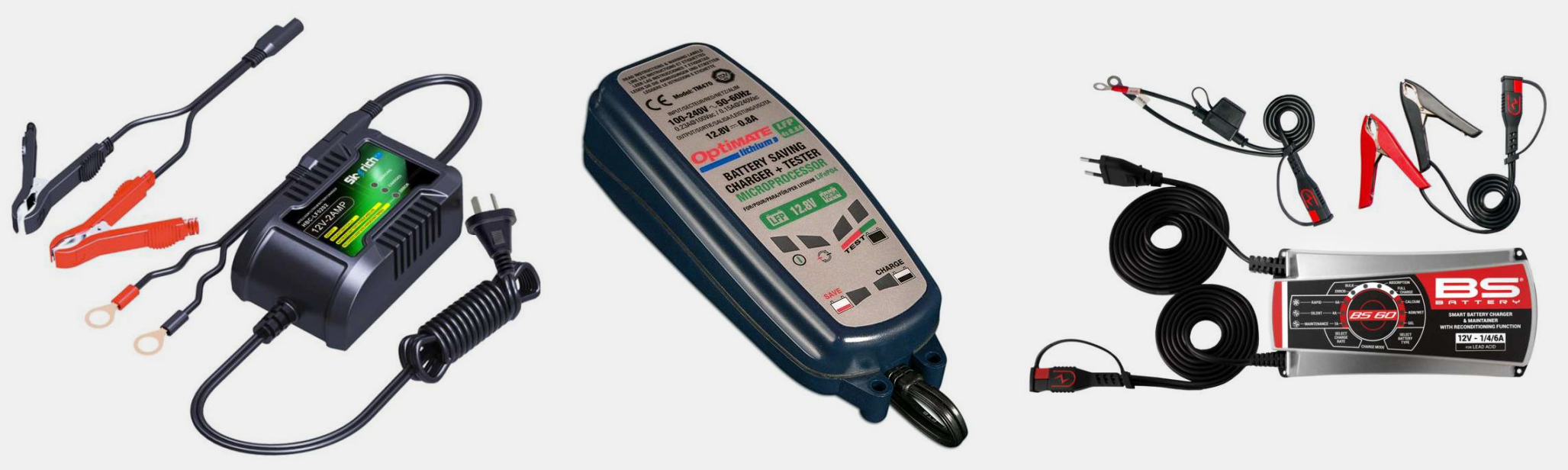
----> Skyrich LITHIUM battery charger HBC-LF0202
----> Tecmate OPTIMATE LITHIUM 12V 1-10Ah battery charger (TM-470)
---->BSB60battery charger12V 1/4/6A
What about battery boosters ? Here again, you need to be careful. Most of these additional portable batteries are not compatible with a lithium battery. The voltage spikes generated can damage your battery.
More compact, lighter, more efficient, longer-lasting: Lithium-Ion motorcycle batteries are a real revolution. Is your bike whispering in your ear that it wants one, but you're not sure about compatibility? Take a look at our online catalog, filtered by make or model. We wish you a safe journey!